One thing I have learned over many decades of staying active is this: strong abdominal muscles make almost everything else easier.
They help you stand taller. They help support your back. They help you stay steady on your feet. And yes, they might even help you look a little better when summer comes around. But for me, the real value has always been about function, not appearance.
Crunches are one of the exercises I use to help maintain that strength. They are similar to leg lifts because both exercises help strengthen the abdominal muscles. But they do it in slightly different ways, and crunches are often a little more challenging.
That brings me to something important I want everyone to remember: you do not have to start where someone else is. You only have to start where you are.
Start Where Your Strength Is Today
Crunches can be difficult for some people, especially if you are just beginning to build core strength or returning to exercise after time away. There is absolutely nothing wrong with starting with an easier version.
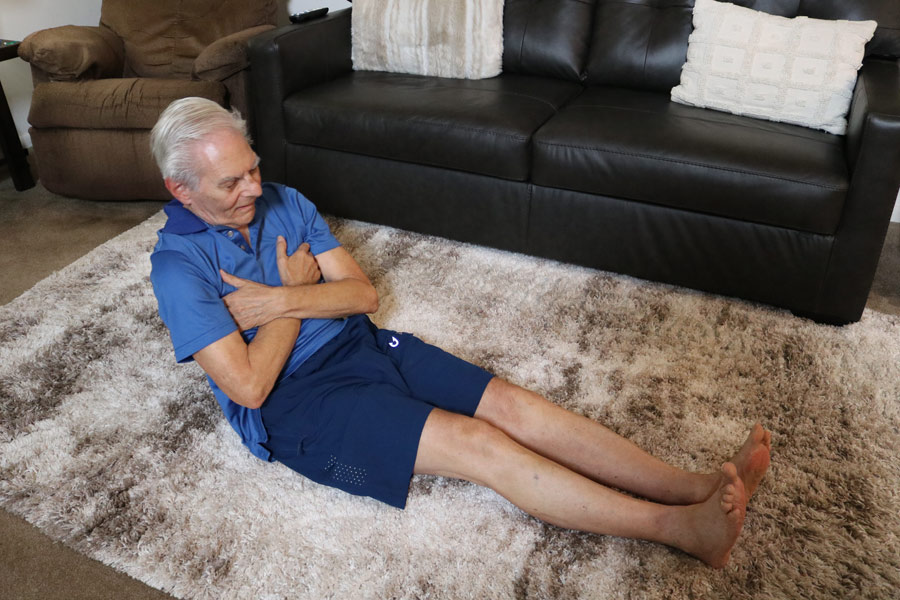
One simple way to begin is from a seated position. Sit with your legs extended and your feet flat on the floor. From that position, slowly lower your upper body toward the floor in a controlled manner, then come back up.
This movement uses many of the same abdominal muscles involved in a traditional crunch, but at a lower intensity. Think of it as a stepping stone. Over time, it can help strengthen your abdominal muscles enough that you may eventually be able to perform regular crunches.
I have always believed that consistency beats intensity. Doing a manageable exercise regularly will help you more than trying something too difficult and giving up on it.
Progress Slowly and Let Strength Build Naturally
If you are already able to do crunches, it is still best to begin slowly. Perform a small number of repetitions, rest briefly, and then repeat.
As your strength improves, you can gradually increase the number of crunches you perform. There is no prize for rushing. The body responds well to steady, patient effort.
At my age, I am not trying to prove anything. I am simply trying to maintain strength, function, and independence. That mindset alone can save a person from a lot of unnecessary strain.
Listen to Your Body
This may be the most important advice I can give: if you feel pain while doing crunches, stop the exercise immediately.
There is a difference between effort and pain. Effort is part of exercise. Pain is a warning sign. If crunches cause pain, consult a medical professional before continuing.
There is always another way to build strength. The goal is not to force the body. The goal is to work with it wisely.
Why Strong Abdominal Muscles Matter
Strong abdominal muscles are not just about appearance, although looking good at the beach can certainly be a nice benefit. The more important reason is that strong core muscles help support the body as a whole.
Your abdominal muscles play an important role in stability and support. They help you move better, maintain posture, and stay stronger as you age. In my experience, keeping the midsection strong is one of the practical things a person can do to support long-term health and function.
Strong core muscles may also help reduce the risk of developing hernias as the years go by. That is one more reason I believe it is worth giving this area of the body regular attention.
Practical Takeaways
- Start with a simpler variation if regular crunches are too difficult.
- Move slowly and with control.
- Begin with a small number of repetitions.
- Rest briefly between sets.
- Increase gradually as your strength improves.
- Stop immediately if you feel pain.
- Focus on consistency, not speed.
A Final Word of Encouragement
If you cannot do a full crunch today, that is perfectly all right. Start with the easier movement and let strength build one step at a time.
You do not have to do everything at once. You just have to keep going.
That is how real strength is built, and that is how it is kept.